

The Move-Up Buyer's Checklist: Planning for a Smooth Transition in 2025
The Move-Up Buyer's Checklist: Planning for a Smooth Transition in 2025

Ready to trade up from your starter home to something bigger and better? You're not alone: tons of Ocala homeowners are making this exact move in 2025. But here's the thing: moving up isn't just about finding a bigger house. It's a complex dance of timing, finances, and logistics that can either go smoothly or turn into a total headache.
The good news? With the right checklist and planning, you can navigate this transition like a pro. Let's break down everything you need to know to make your move-up journey as painless as possible.
Start With Your Finances (Trust Us, This Matters)
Before you start dreaming about that extra bedroom or bigger backyard, let's talk money. Move-up buyers face unique financial challenges that first-time buyers don't deal with.
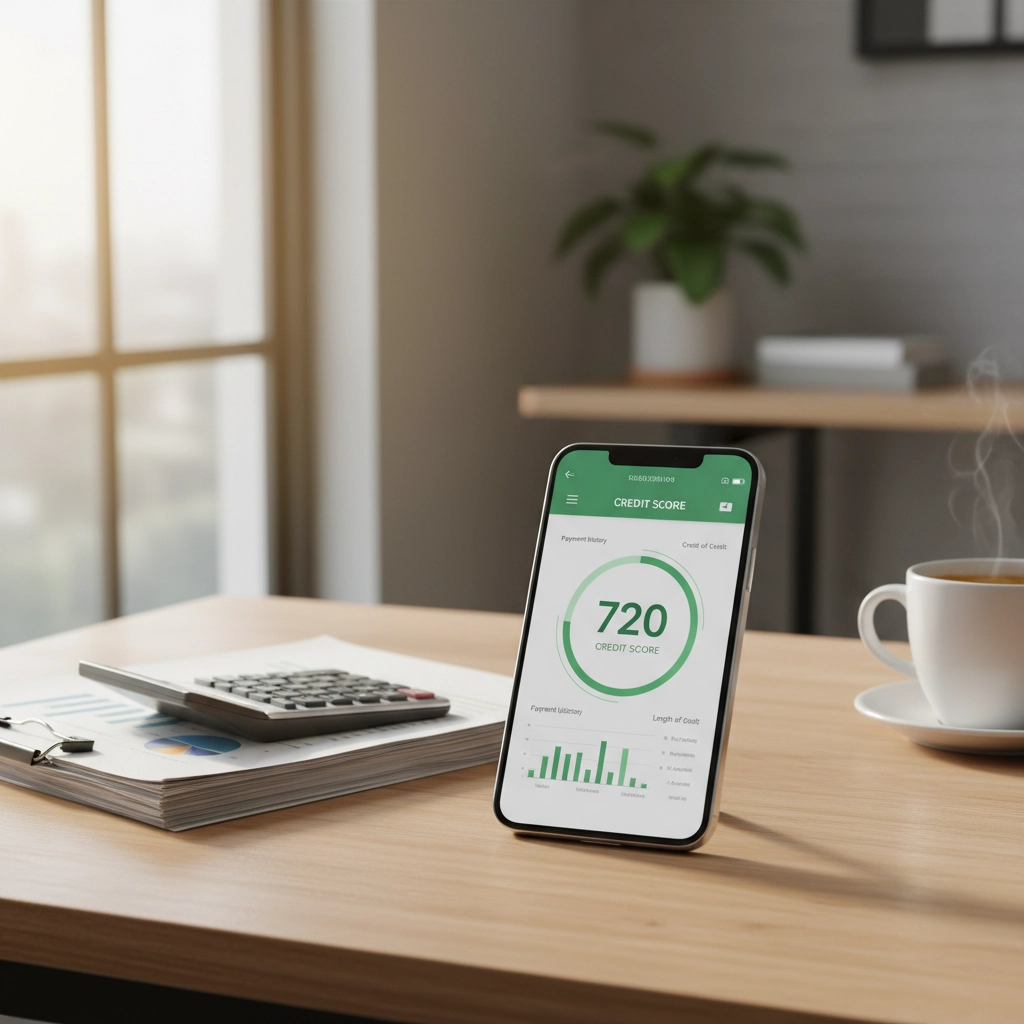
Check Your Credit Score First Most lenders want to see a credit score of 680 or higher for move-up buyers. If you're below that mark, spend a few months boosting your score before you start house hunting. Pay down existing debts, don't open new credit accounts, and make sure all your bills are current.
Calculate Your Real Budget Here's where it gets tricky. You need to figure out: • How much your current home is worth • What you'll actually walk away with after selling costs • How much house you can afford with your new down payment • Whether you can carry two mortgages temporarily
Lower That Debt-to-Income Ratio Lenders typically want to see a debt-to-income ratio below 36%. If you're carrying credit card debt, car loans, or other monthly payments, now's the time to tackle those. Every dollar you free up in monthly payments gives you more buying power for your new home.
The Million-Dollar Question: Buy First or Sell First?
This is where most move-up buyers get stuck, and honestly, there's no one-size-fits-all answer. It depends entirely on your financial situation and risk tolerance.
If You Can Afford Two Mortgages Temporarily: • Get pre-approved for your new home loan • Start house hunting without pressure • Put your current home on the market only after you find your dream house • Negotiate from a position of strength
If You Must Sell First: • List your current home and start searching simultaneously • Make offers contingent on selling your current home • Have a backup plan for temporary housing • Be prepared to move twice (current home → temporary → new home)
The Ocala market has been pretty active, so if you're in a desirable neighborhood, selling first might not be as risky as you think. But every situation is different.
Know What Your Current Home is Really Worth
Don't just guess or rely on those online estimators: they're notoriously inaccurate. Get a proper market analysis from a local agent who knows the Ocala area inside and out.
Key factors that affect your home's value: • Recent comparable sales in your neighborhood • Current market conditions • Your home's condition and any upgrades you've made • How long similar homes are sitting on the market
Once you know your likely sale proceeds, subtract about 8-10% for selling costs (agent commissions, closing costs, repairs, etc.). That's your real budget for your next home's down payment.
Get Your Current Home Market-Ready
You want to maximize every dollar from your current home sale, so don't just slap a "For Sale" sign in the yard and call it good.
Essential prep work: • Deep clean and declutter every room • Handle minor repairs and touch-up paint • Stage your home to appeal to buyers • Price it right from day one (overpricing kills momentum) • Consider a pre-listing inspection to avoid surprises
In Ocala's current market, well-prepared homes are selling faster and for closer to asking price. Homes that sit on the market for 98+ days usually have pricing or condition issues that could have been avoided.
Build Your Dream Team
Moving up requires more coordination than a typical home purchase, so you need professionals you can trust.
Your essential team members: • Real estate agent with move-up experience and strong local knowledge • Mortgage lender who understands complex transactions • Home inspector for your new purchase • Moving company (book early: good ones get booked up)
Look for an agent who's handled plenty of move-up transactions. They'll understand the timing challenges and can help coordinate both sides of your transaction.
Master the Art of House Hunting
Now comes the fun part: finding your next home! But with move-up buyers, strategy matters more than excitement.
Create your wish list: • Must-haves vs. nice-to-haves • Ideal location and commute considerations
• Future needs (growing family, aging parents, etc.) • Maintenance requirements you're comfortable with
Smart shopping tips: • Don't fall in love with the first house you see • Consider homes that need minor cosmetic work (less competition) • Think about resale value, even if you plan to stay forever • Factor in all costs, not just the mortgage payment

Making Competitive Offers
In today's market, you need to make offers that stand out without overpaying.
Key offer components: • Competitive but reasonable price based on comps • Reasonable contingencies (don't waive inspection!) • Flexible closing timeline • Strong pre-approval letter • Personal letter to sellers (sometimes helps)
If you're in a bidding war, don't let emotions take over. Set your max price beforehand and stick to it. There will be other houses.
Navigate the Closing Process
With move-up buyers, closing coordination is everything. You might be closing on two properties within days of each other.
Stay on top of: • All required paperwork and deadlines • Final walkthrough scheduling • Utility transfers and mail forwarding • Moving company coordination • Temporary storage if needed
Pro tip: Build some buffer time into your closing dates. Things rarely go exactly according to plan, and you don't want to be homeless because of a delayed closing.
Moving Day and Beyond
The actual move is just the beginning. Once you're in your new home, there's still work to do.
Immediate priorities: • Change locks and garage door codes • Update your address with banks, insurance, employers • Set up utilities and internet • Find new service providers (doctor, dentist, etc.) • Register kids for new schools if applicable
First month goals: • Get familiar with your new neighborhood • Meet your neighbors • Establish new routines • Start planning any improvements or updates
Planning for Long-term Success
Moving up is often the biggest financial transaction you'll make, so think long-term from day one.
Build equity smartly: • Make extra principal payments when possible • Focus improvements on function and appeal • Stay informed about your local market • Consider refinancing opportunities as rates change
Avoid common pitfalls: • Don't immediately max out your budget on renovations • Build an emergency fund for homeowners (stuff breaks!) • Keep detailed records for tax purposes • Don't neglect regular maintenance
Ready to Make Your Move?
Moving up to a larger home is exciting, but success comes down to planning and execution. The key is starting the process before you feel rushed and working with professionals who understand the unique challenges move-up buyers face.
If you're ready to explore your options in the Ocala market, or just want to understand what your current home might be worth, let's talk. Every move-up situation is different, and having the right strategy makes all the difference between a smooth transition and a stressful mess.
Ready to take the next step? Contact our team today for a no-pressure consultation about your move-up goals. We'll help you create a customized plan that works for your timeline, budget, and dreams for your next home.
Categories
Recent Posts









GET MORE INFORMATION